The DC troop fight runs on crime numbers the city cannot vouch for
The inspector general found a systemic breakdown in police crime reporting from 2015 to 2025, and prosecutors found reports misclassified.
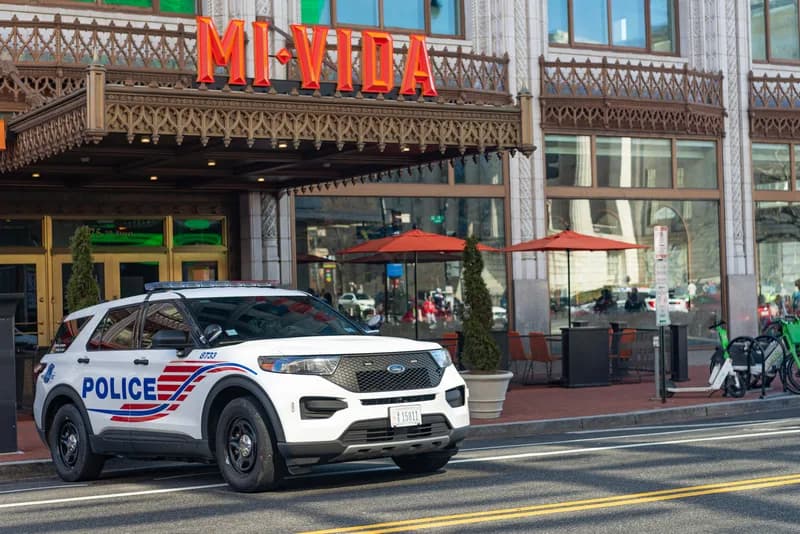
National Guard troops have been on the streets of Washington for a year. Both sides of the argument about whether that worked are quoting crime statistics at each other. In July 2026 the city's own inspector general reported that the system producing those statistics had broken down.
The report found what it called a prolonged, systemic breakdown of the internal control system the Metropolitan Police Department uses to collect crime data. It covered 2015 through 2025. Mayor Muriel Bowser had asked for the review in December 2025.
It did not indicate fraud or intent, and it stopped short of finding that anyone had manipulated the data. What it did find is that the numbers everyone has spent a year arguing about were produced by a process the city cannot fully vouch for.
We found that MPD's crime reporting controls broke down significantly during the period we examined.
The number everyone quotes
The figure that anchors the case against the deployment is that Washington's violent crime was at a 30 year low. That comes from a Justice Department release issued on 3 January 2025 by the then US attorney for the District, Matthew M. Graves. It covered calendar year 2024.
That is seven months before any troops arrived. The release said total violent crime for 2024 was down 35 percent from 2023 and the lowest it had been in over 30 years, based on police department data. It is a real number about a period that ended before the story started.
Bowser uses it that way. Her statement marking the anniversary describes the city as having been driving crime down to a 30 year low at the time the troops came. Several news outlets have since used the same phrase in the present tense.
| Homicide | 99 | 67 | Down 32% |
| Assault with a dangerous weapon | 547 | 768 | Up 40% |
| Robbery | 904 | 766 | Down 15% |
| Violent crime, total | 1,608 | 1,660 | Up 3% |
| Property crime, total | 14,093 | 10,884 | Down 23% |
As filed
So the current picture is genuinely split. Homicides are down by a third. Property crime is down by nearly a quarter. Assaults with a dangerous weapon are up 40 percent, and that is enough to push total violent crime up 3 percent on the year.
Then the inspector general looked
The police department labels that table preliminary itself. Its own note says the figures use DC Code offense definitions and do not match the Part I crime totals reported to the FBI's national incident based reporting system.
A separate investigation ran alongside it. The office of the US attorney, Jeanine Pirro, found that a significant number of police reports had been misclassified in a way that made crime rates look lower than they were. Neither investigation found grounds to charge anyone.
There were consequences inside the department. In May 2026 the interim police chief, Jeffery Carroll, put 13 officers on administrative leave over an internal investigation into how crime statistics were kept. Eleven remain on leave and two have left the department.
The police union has made a sharper claim. In a written statement on 5 May 2026 it said data reported to the FBI showed a 1.72 percent increase in violent crime for 2024. That, the union said, directly contradicted the city government's reported decrease of 28.32 percent.
What the researchers found
Independent work has reached a narrower conclusion than either side. A Niskanen Center study published on 28 May 2026 found the troop presence had no significant effect on violent crime, while finding a 24 percent reduction in what it called opportunistic property crime.
Violent crime really concentrates in specific places in DC. And those are places where, by and large, the Guard was not deployed.
The Center for American Progress published a similar finding on 13 July 2026, reporting no evidence that Guard deployments had reduced violent crime. Trump said on Monday 10 August 2026 that he was preparing to sue the organisation, and that he was considering adding some of its donors.
Criminologists asked about the deployment keep making the same methodological point. Crime was already falling in cities that got no troops at all, which makes any claim about cause hard to support in either direction.
A third measurement exists and covers different ground again. The Council on Criminal Justice compared the first half of 2026 with the first half of 2025 and found homicide down 41 percent while aggravated assault rose 45 percent.
The enforcement numbers are counted differently too
The Marshals Service marked the anniversary with more than 16,000 arrests, 35 homicide suspects and nearly 2,000 firearms seized. The US attorney's office published a different measure the same day, 16,724 cases charged in DC Superior Court.
Those are not the same thing, and the gap between an arrest and a charge is where a lot of the argument about this deployment actually sits. An FBI post put arrests by federal law enforcement overall at nearly 15,000.
The Council on Criminal Justice reading of the national picture cuts against both political arguments. Its president, Adam Gelb, noted that murder and other crime rates are falling in cities with different political leadership, different policing and different federal activity.
Why it matters which number wins
This is not a debate for its own sake. The Pentagon has confirmed the mission will run through Inauguration Day 2029 unless the president ends it sooner. The case for keeping roughly 4,600 troops in an American city rests on the claim that they made it safer.
The White House states that case in absolute terms. Its spokeswoman has said the president transformed Washington from a crime ridden city into a safe and beautiful haven. NPR reported in July 2026 that Trump's claim the city has almost no crime anymore was false.
The people who run the mission make a smaller and more checkable claim. The interim commanding general of the DC National Guard, Brig. Gen. Leland D. Blanchard II, told reporters his troops had provided 788 medical assists and reunited 43 lost children with their families.
What would settle it
Controlled research, and better data. One of the criminologists who looked at this said establishing cause between a Guard deployment and a crime rate is virtually impossible without it. The inspector general made the same point from the other end.
Crime data, that report said, is the informational foundation on which MPD makes operational decisions, the District allocates resources, and the public evaluates the safety of its community. For a year that foundation has been carrying an argument it was not built to hold.
Sources for this article
4 sources
- 1Associated Press via WTOP, Washington crime stats system experienced a systemic breakdown of internal controls
- 2Metropolitan Police Department, District Crime Data at a Glance
- 3NOTUS, Inspection finds systemic breakdown in DC police's crime reporting
- 4Al Jazeera, DC residents debate safety gains a year into Trump's Guard deployment
More from Threadline News
 EntertainmentThe film Warner Bros wrote off for taxes opens in theaters August 2812 Aug 2026
 WorldColombia's strongest quake this century kills at least 190, government says12 Aug 2026
 EntertainmentThe Michael Jackson biopic hit $1 billion with critics against it11 Aug 2026
 WorldA dead SpaceX rocket hit the moon and joined 209 tons of junk10 Aug 2026
 HealthFDA approves the first mRNA flu shot after refusing to review it10 Aug 2026
 EntertainmentParamount and Warner Bros merger heads to trial in March 20278 Aug 2026
The Numbers
AllOfficial series, each dated to the observation it comes from.
Federal Reserve Bank of St. Louis